
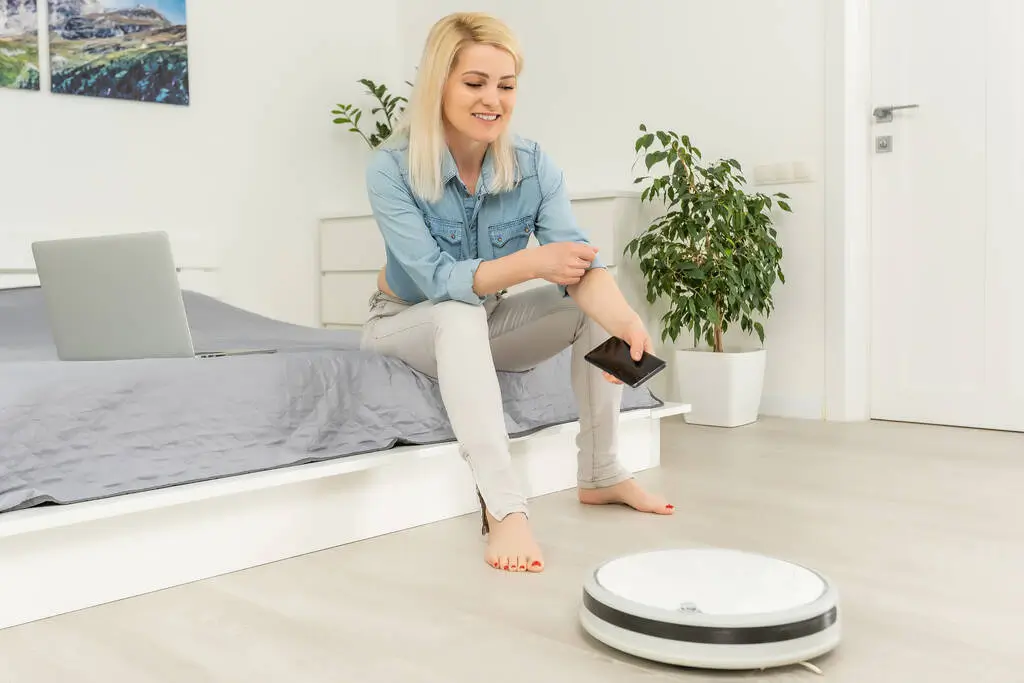
The demand for smart home solutions has skyrocketed in recent years, transforming the way homeowners manage their living spaces. According to Grand View Research, the global smart home market was valued at $114.6 billion in 2023 and is projected to grow at a compound annual growth rate of 27.07% through 2030, reflecting how rapidly connected home technology has become an everyday necessity.
As modern lifestyles grow increasingly fast-paced, homeowners are actively seeking convenient ways to manage household chores without sacrificing cleanliness. A 2022 American Cleaning Institute survey found that the average American spends approximately 6 hours per week on household cleaning, time that smart automation is helping consumers reclaim. Investing in advanced robot vacuums has become one of the most practical solutions available, with Statista projecting the global robot vacuum market will reach $21.4 billion by 2028. These innovative devices allow homeowners to maintain impeccably clean floors while focusing on what truly matters.
The Rise of Smart Cleaning Technology
Household cleaning has undergone a massive evolution, transitioning from labor-intensive traditional methods like manual sweeping and heavy upright vacuuming to sophisticated automated solutions. Today, more people than ever are adopting smart home devices to streamline their daily routines. This shift is driven by a desire for convenience and the seamless integration of technology into everyday life. Automation plays a pivotal role in this transformation, taking over repetitive, time-consuming tasks and significantly improving the efficiency of everyday household management.
How Robot Vacuums Work
Smart Navigation and Sensors
At the heart of a robot vacuum’s intelligence is its ability to navigate complex environments. Advanced sensors, including infrared, cliff, and bump sensors, allow the device to detect and maneuver around furniture, walls, and other obstacles without getting stuck. Modern models also utilize sophisticated mapping technology, such as LiDAR (Light Detection and Ranging) or visual SLAM (Simultaneous Localization and Mapping). This allows the vacuum to create a detailed floor plan of your home, ensuring it cleans in efficient, systematic routes rather than bouncing around randomly.
Automated Cleaning Systems
Once navigation is established, the automated cleaning system takes over. These devices use a combination of powerful suction, side brushes, and main roller brushes to effectively collect dust, dirt, pet hair, and debris from various floor surfaces. The collected mess is stored in an internal dustbin. Beyond the physical cleaning, these systems offer incredible convenience through scheduling features. Users can set the vacuum to clean at specific times, enabling completely hands-free operation while they are at work or asleep.
Key Benefits of Using Automated Cleaning Devices
Saves Time and Effort
The most immediate and noticeable benefit of using an automated cleaning device is the significant reduction in manual cleaning tasks. You no longer need to spend your weekends dragging a heavy vacuum cleaner from room to room. This hands-off approach offers unparalleled convenience, especially for busy households, working professionals, and parents who simply do not have the time or energy to vacuum daily.
Maintains a Cleaner Home Environment
Because robot vacuums can be scheduled to run daily or even multiple times a week, they help maintain a consistently cleaner home environment. Regular floor cleaning is essential for removing allergens, dust mites, and tracked-in dirt. This is particularly beneficial for homes with pets that shed constantly, households with young children who crawl on the floor, or residences with high foot traffic where dirt accumulates rapidly.
Important Features to Consider Before Choosing a Smart Vacuum
Cleaning Performance
When evaluating a smart vacuum, cleaning performance is paramount. This is largely determined by suction power (measured in Pascals) and the type of brush system used. Rubber brushes are excellent for resisting pet hair tangles, while traditional bristle brushes might be better for deep-cleaning carpets. Understanding these specifications ensures the device will clean efficiently on your specific floor types.
Battery Life and Coverage
Operating time is a crucial factor, especially for larger homes. A robot vacuum needs sufficient battery life to complete its cleaning cycle without needing a mid-run recharge. High-end models offer extended battery life and feature “recharge and resume” capabilities, meaning if the battery runs low, the vacuum returns to its dock to charge and then continues exactly where it left off to ensure full coverage.
Smart Controls and Connectivity
Modern robot vacuums are highly connected devices. Look for models with intuitive smartphone app controls that allow you to start, stop, and schedule cleanings from anywhere. Advanced connectivity also includes compatibility with smart home ecosystems, enabling you to control your vacuum using voice commands via smart speakers like Amazon Alexa or Google Assistant.
Are Robot Vacuums Suitable for Every Home?
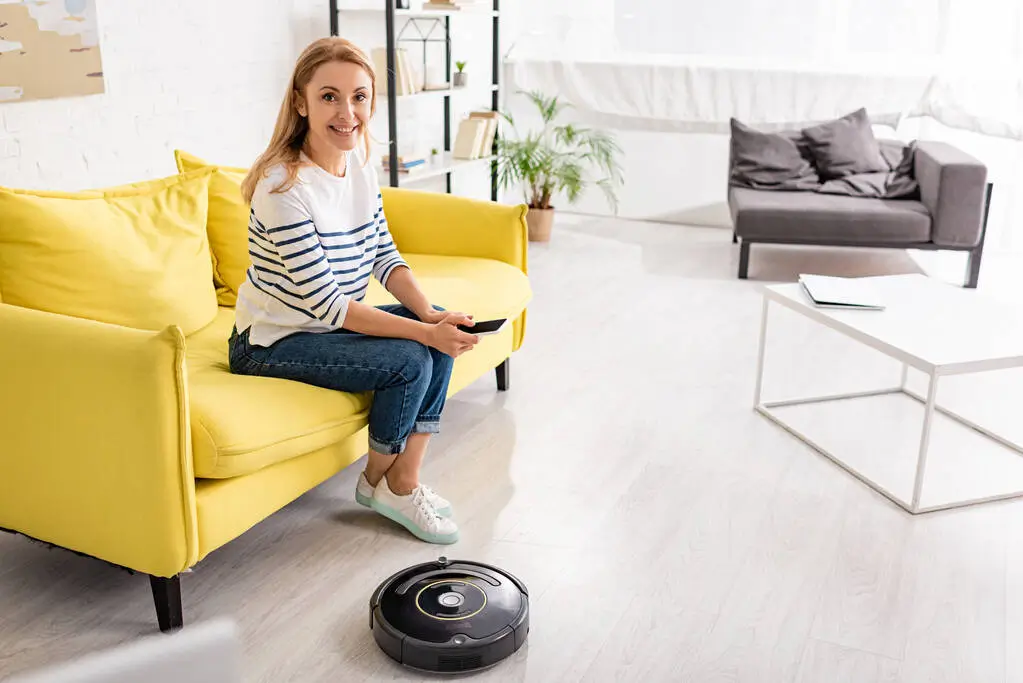
While robot vacuums are incredibly versatile, they may not be a perfect fit for every single living situation. Before purchasing, it is important to consider your home size, flooring type, and personal cleaning needs. Open floor plans with hard floors or low-pile carpets are ideal for these devices. However, homes with multiple levels, thick plush carpets, or very cluttered spaces with low-clearance furniture might still require a traditional vacuum for deep cleaning or stair maintenance. Assessing your specific layout will help you determine if a robot vacuum can handle your primary cleaning needs.
The Future of Automated Home Cleaning
The future of automated home cleaning is incredibly promising, driven by rapid advancements in artificial intelligence and smart technology. Future models will likely feature even more sophisticated AI object recognition, allowing them to identify and avoid specific hazards like phone charging cables, socks, or pet waste with near-perfect accuracy. Additionally, we can expect cleaning devices to become more multifunctional and efficient, seamlessly integrating advanced mopping capabilities, self-cleaning mechanisms, and deeper integration into holistic smart home routines that anticipate our needs before we even realize them.
Conclusion
Automated cleaning solutions have fundamentally changed the landscape of household chores, offering a glimpse into the highly convenient future of home management. By automating the tedious task of floor cleaning, smart vacuum technology provides a highly efficient, time-saving way to maintain a pristine home environment. As technology continues to advance, these intelligent devices will only become more capable, cementing their role as an essential appliance for the modern, busy household.