
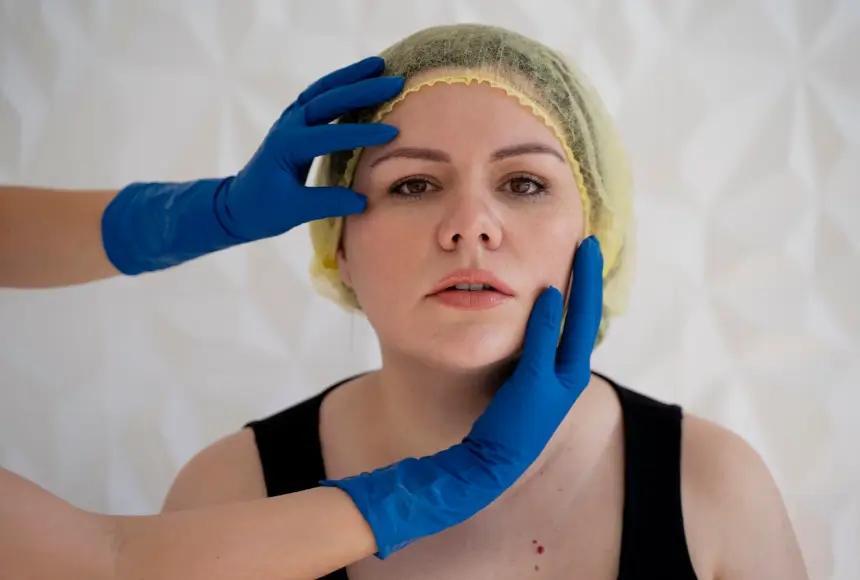
Many people carry the physical and emotional reminders of acne in the form of depressed scars. These marks can affect confidence and make skin appear uneven, even years after the acne itself has healed. Fortunately, modern dermatology offers gentle yet effective ways to lift and smooth these scars, helping individuals regain not only clearer skin but also greater self assurance. Treatments today are designed to work with the skin’s natural healing processes, minimizing downtime while delivering noticeable improvements.
Depressed acne scars form when the skin loses tissue after an inflamed breakout. The skin’s natural repair process sometimes cannot fully restore the lost volume, leaving small indentations, pits, or uneven textures. The severity and depth of scars vary depending on genetics, acne type, and how the skin healed at the time. Addressing these scars early with professional guidance often results in better long term outcomes and helps prevent further skin damage.
Understanding Professional Approaches to Acne Scar Treatment
Many clients explore over the counter products but find that these provide limited improvement. Dermatology clinics offer a more tailored approach, and Singapore acne scar treatment centers specialize in evaluating the type and depth of each scar before recommending a treatment plan. A professional assessment ensures that solutions are effective, safe, and suited to each individual’s skin.
During a consultation, dermatologists examine whether scars are rolling, boxcar, or ice pick in nature. This distinction matters because each scar type responds differently to treatment. Specialists also consider the patient’s skin type, texture, and previous treatments to determine the most appropriate combination of therapies. Personalized plans address both visible scarring and underlying skin health, which often leads to longer lasting and more natural looking results.
Minimally Invasive Options for Scar Lifting
Modern dermatology offers several non surgical techniques to help lift depressed scars and improve skin texture. These treatments are designed to work with the skin’s regenerative abilities rather than aggressively resurfacing it.
Microneedling and Collagen Induction Therapy
Microneedling involves tiny needles that create controlled micro injuries in the skin. This stimulates collagen production, helping to plump up depressed scars over time. Many clients appreciate that the procedure is minimally invasive and encourages the skin to heal naturally, gradually lifting indentations without harsh downtime.
Fractional Laser Treatments
Laser therapies are highly effective in remodeling scar tissue. Fractional lasers create microscopic zones of thermal energy, which promote collagen regeneration and resurface the skin gradually. These treatments can target deep scars while leaving surrounding skin untouched, resulting in smoother and more even skin texture.
Dermal Fillers
For deeper, more pronounced scars, dermatologists sometimes use dermal fillers. These injections restore lost volume, immediately lifting depressed areas and creating a more uniform appearance. Results are noticeable almost immediately and can last several months, depending on the type of filler used and the individual’s skin characteristics.
Chemical Peels and Exfoliation
Chemical peels help improve the surface appearance of scars by removing damaged layers of skin and stimulating new cell growth. Combined with other treatments, peels can enhance texture, reduce hyperpigmentation associated with scarring, and prepare the skin for more intensive procedures.
Enhancing Results Through Combination Therapy
Many clients achieve the best outcomes by combining different modalities. For example, microneedling paired with topical serums or laser sessions often produces faster and more noticeable improvements. A tailored approach allows dermatologists to address both the depth of the scar and the overall texture of the skin, resulting in a smoother, more balanced complexion.
Consistency is essential. While some improvements are visible after a single session, multiple treatments over weeks or months provide the best long term results. Following post treatment care instructions, using sunscreen, and maintaining hydration all help support collagen production and prevent new scarring.
When to Seek Professional Help
It is important to consult a dermatologist if you notice:
- Depressed acne scars that affect confidence or self esteem
- Scars that do not improve with home care or over the counter products
- Uneven skin texture or noticeable indentations from past acne
- Redness or hyperpigmentation accompanying scars
- Desire for minimally invasive treatments with gradual, natural results
- Difficulty identifying the type of scars and appropriate care
- Interest in professional guidance to prevent further scarring
Renewed Confidence Through Skin Correction
Professional acne scar treatment offers more than cosmetic benefits; it restores a sense of confidence and comfort in your own skin. By addressing the scars in a targeted and thoughtful manner, dermatologists help clients achieve smoother, more even skin without drastic procedures. Treatments focus on supporting natural healing, stimulating collagen, and gradually lifting depressed areas. Over time, the skin’s texture improves, scars become less noticeable, and the overall complexion appears healthier and more balanced.
Patients often report feeling more comfortable in social situations and more confident in makeup free appearances. Combining professional interventions with proper home care ensures that improvements are maintained and reinforced, creating lasting benefits beyond the treatment sessions.
Commonly Asked Questions
How long does it take to see results from scar treatment?
Improvements vary depending on the type and depth of scars. Some clients notice subtle lifting within weeks, while deeper scars require multiple sessions for significant changes.
Are these treatments painful?
Most procedures are well tolerated. Microneedling and lasers may cause mild tingling or warmth, while dermal fillers involve minimal discomfort. Clinics use techniques to enhance comfort during sessions.
Can acne scars return after treatment?
Proper post treatment care, continued skincare, and prevention of new breakouts help maintain results. Existing scars do not typically return once effectively treated.
Which scars respond best to professional treatments?
Rolling and boxcar scars often respond well to collagen stimulating procedures, while deeper ice pick scars may benefit more from laser or filler options.
Is downtime necessary after treatments?
Downtime is minimal for most non surgical procedures. Redness, mild swelling, or sensitivity may occur but usually resolves within a few days.
Next Steps
If you want to lift depressed acne scars and restore smoother skin, scheduling a consultation with a qualified dermatologist is the first step. A personalized plan combining minimally invasive procedures with proper at home care can gradually improve scar depth, enhance skin texture, and support long lasting, natural looking results.