
A dermatologist-informed buying guide: what actually works, what to skip, and how to build a routine that fixes dryness for good.
If your skin feels tight ten minutes after washing your face, flakes around your nose and cheeks, or looks dull no matter how much moisturizer you pile on, you don’t have a discipline problem — you have a barrier problem. Dry skin isn’t caused by using too few products; it’s usually caused by a damaged skin barrier that can’t hold on to water. The good news is that fixing it doesn’t require twelve steps or a luxury budget. It requires the right ingredients, in the right order, used consistently for a few weeks.
This guide breaks down exactly which skincare products for dry skin are worth buying in 2026, the ingredients dermatologists actually recommend, and a simple morning-and-night routine you can start today.
What Causes Dry Skin in the First Place?
Before you buy anything, it helps to know what you’re fixing. Dry skin usually comes down to one or more of these:
- Barrier damage: A weak lipid barrier — not enough ceramides and fatty acids to seal moisture in.
- Over-cleansing: Hot showers, harsh foaming cleansers, and over-exfoliating strip natural oils faster than skin can replace them.
- Weather and indoor heat: Cold air holds less moisture, and indoor heating pulls water straight out of your skin.
- Age: Oil production naturally slows down with age, which is why dryness often shows up in your late 20s onward.
- Too many actives, too fast: Layering three or four active ingredients (retinol, acids, vitamin C) at once can irritate skin faster than it can repair itself.
Dry Skin vs. Dehydrated Skin: Know the Difference
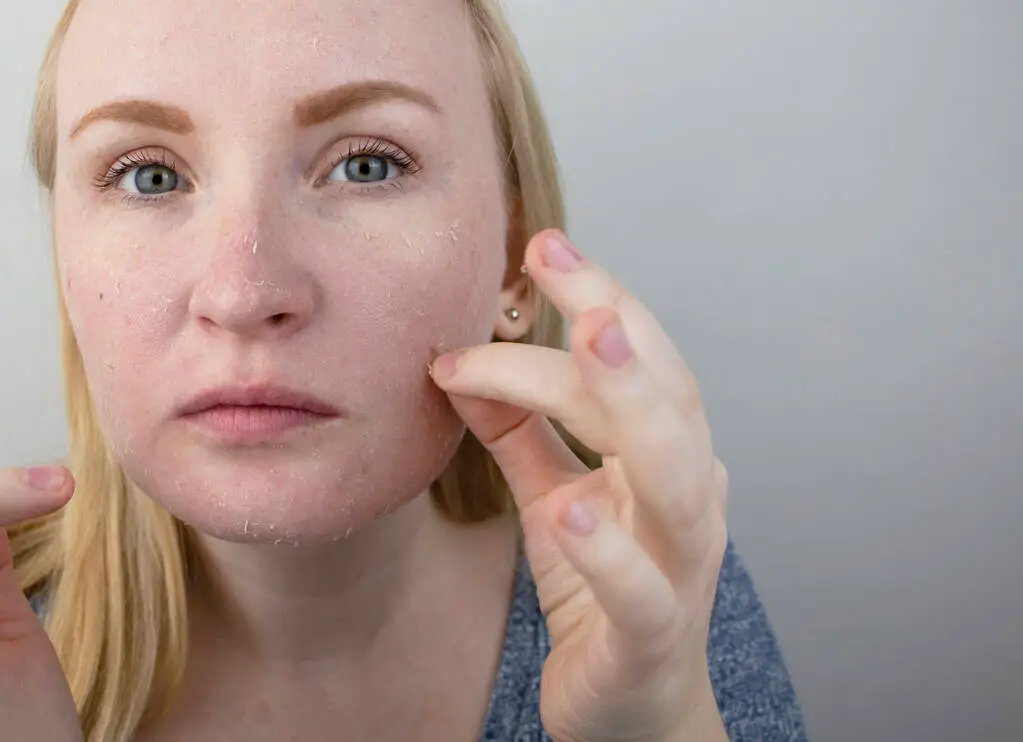
These get confused constantly, and it changes what you should buy. Dry skin lacks oil — it needs richer creams and facial oils. Dehydrated skin lacks water — even oily skin can be dehydrated, and it needs humectants like hyaluronic acid and glycerin rather than heavier oils. A quick test: if your skin feels rough and flaky, it’s dry. If it feels tight but still looks a little shiny, it’s dehydrated. Most people with ‘dry skin’ actually need both — water-binding ingredients first, then an oil-based layer to lock that water in.
The 5 Ingredients That Actually Fix Dry Skin
Skip the marketing and check the ingredient list for these. This is what separates a product that genuinely repairs dryness from one that just feels nice for an hour.
| Ingredient | What It Does | Best For |
| Ceramides | Rebuild the skin’s natural barrier so moisture stops escaping | Chronic dryness, flaking, sensitive skin |
| Hyaluronic Acid | Draws water into the top layer of skin, plumping it instantly | Tightness and dehydration |
| Glycerin | A reliable humectant that pulls moisture from the air into skin | Everyday hydration, all skin types |
| Squalane | A lightweight plant-derived oil that mimics skin’s own sebum | Sealing in moisture without feeling greasy |
| Shea Butter / Fatty Acids | Deeply nourishing emollients for very dry or cracked patches | Extreme dryness, winter skin, elbows and hands |
Best Skincare Products for Dry Skin, Step by Step
Here’s how to build the routine, product by product, from cleanser to the final seal.
1. Cleanser — Skip the Foam
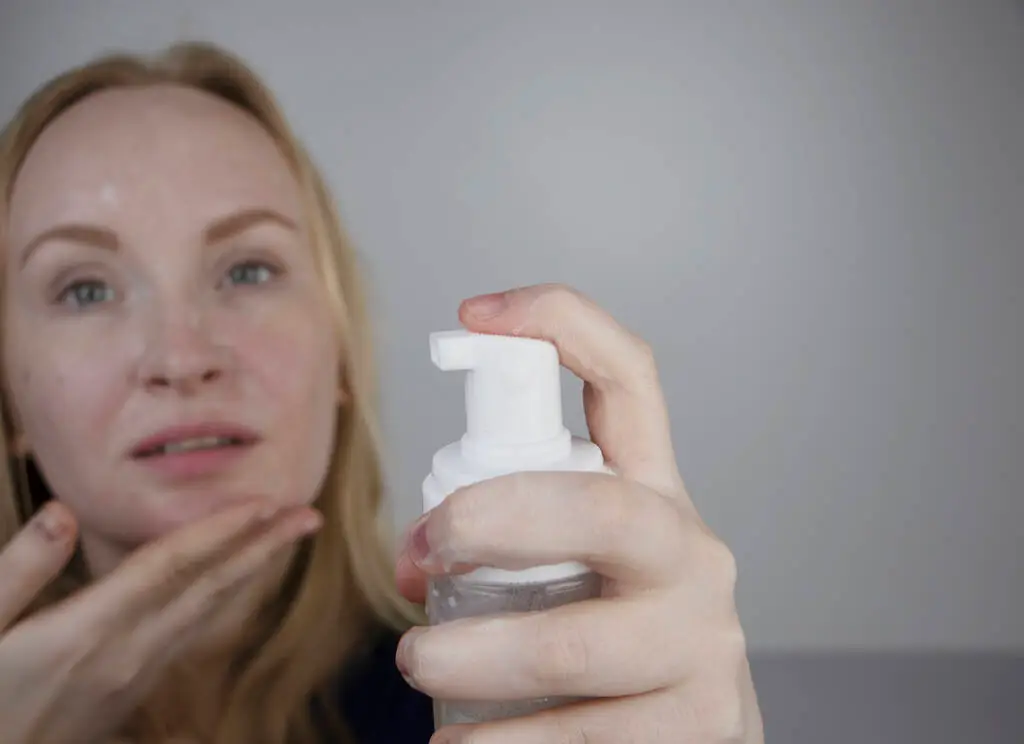
Foaming cleansers with sulfates are the number-one reason dry skin stays dry. Swap to a cream, milk, or gel-to-milk cleanser that removes makeup and sunscreen without leaving skin feeling stripped or squeaky. Look for ceramides or oat extract on the label, and always use lukewarm — never hot — water.
2. Toner or Essence — Rehydrate Before You Treat
A hydrating, alcohol-free toner preps skin to absorb everything applied after it. Milky, glycerin-based formulas work especially well for dry and sensitive skin, and they take the ‘tight’ feeling out of your routine almost immediately.
3. Serum — Hyaluronic Acid Does the Heavy Lifting
A multi-weight hyaluronic acid serum, applied to slightly damp skin, is the single most effective step for restoring plumpness. Pair it with niacinamide if you also deal with redness or an uneven barrier — the combination calms irritation while it hydrates.
4. Moisturizer — Ceramides Are Non-Negotiable
This is the step to spend on. A rich, ceramide-based cream is what actually locks in every hydrating ingredient you just applied. In colder months or dry climates, size up to a thicker balm-style cream at night.
5. Night Treatment — Repair While You Sleep
A few nights a week, a peptide or bakuchiol-infused night cream supports collagen and barrier repair without the irritation retinol can cause on already-compromised skin. If your skin tolerates retinol well, use it sparingly — twice a week is enough for dry skin types — and always follow with a heavier moisturizer.
6. Lips, Hands, and Body — Don’t Forget Them
Dryness doesn’t stop at your jawline. A shea-butter lip balm, a fragrance-free hand cream, and a body lotion with ceramides or colloidal oatmeal round out a routine that actually holds up through winter.
Sample Routine for Dry Skin
| Time | Steps |
| Morning | Cream cleanser → hydrating toner → hyaluronic acid serum → ceramide moisturizer → mineral SPF 30+ |
| Evening | Cream cleanser (double cleanse if wearing makeup/SPF) → hydrating toner → niacinamide or peptide serum → rich night cream / facial oil |
| 2–3x per week | Gentle hydrating mask or a thin layer of facial oil over night cream for extra sealing |
7 Mistakes That Make Dry Skin Worse
- Taking long, hot showers or washes: Strips natural oils exactly when you need them most.
- Over-exfoliating: Foaming cleansers, scrubbing exfoliants, and daily acid toners break down an already thin barrier.
- Skipping the damp-skin rule: Applying serum to bone-dry skin means the water it draws in has nowhere to come from.
- Using the same moisturizer year-round: A cream that felt right in summer is often too light for winter — and vice versa.
- Reaching for alcohol-heavy products: Alcohol-based sprays and toners marketed as ‘refreshing’ usually dehydrate on contact.
- Introducing too many new products at the same time: Dryness is the number-one sign your skin can’t handle three new actives at once.
- Ignoring indoor air: A humidifier in your bedroom does more for winter dryness than most serums.
Frequently Asked Questions
What ingredient works fastest for dry skin?
Hyaluronic acid gives the most immediate plumping effect, but ceramides deliver the longer-term fix by rebuilding your skin barrier. Use both together for the fastest, most lasting results.
Is a facial oil better than a moisturizer for dry skin?
They do different jobs. A moisturizer combines water and oil to hydrate and seal; a facial oil only seals. Apply oil as the last step over a water-based moisturizer, not as a replacement for it.
How long does it take to fix dry skin?
Most people notice less tightness within a week of switching to a barrier-focused routine. Visible improvement in texture and flaking typically takes four to six weeks of consistent use.
Can drinking more water fix dry skin?
Hydration helps overall health, but it won’t repair a damaged skin barrier on its own. Topical ceramides and humectants have a far bigger, faster impact on visibly dry skin.
The fastest way out of dry, flaky skin isn’t more products — it’s the right five ingredients used consistently. Start with a gentle cleanser, layer in hyaluronic acid, and let a ceramide-rich moisturizer do the heavy lifting, and most people see a real difference within a month.