
The beauty industry spends a lot of energy convincing individuals that the right product will transform their skin, hair and appearance. And yeah, sure, good products really do help, but the hard fact that most beauty professionals will tell you in private is this: no topical can outphysiologize a bad lifestyle. As much as McCoy and her colleagues love educating people about vitamins, it is how you sleep, what you eat, how you manage stress and how often (and consistently) you move your body that will change the way you look and feel more than any formula in a bottle.
This is not an argument against beauty routines — it is an argument for seeing them as one layer of a broader lifestyle picture. Writers exploring the connection between lifestyle and beauty are welcome to share their perspectives through platforms like ProThots, which accepts contributions via their lifestyle guest post page — a growing space for evidence-based wellness and beauty writing.
Sleep: the original beauty treatment
It’s true — the term ‘beauty sleep’ is no marketing spin — it really is biological. While you sleep, the body releases growth hormone as part of its recreation that has a direct impact on cellular repair throughout the entire body, including skin. During sleep, blood flow to the superficial cellular component of your skin markedly increases oxygen and nutrients whilst removing waste products. During sleep, the receptors involved in collagen synthesis—the compound that maintains tight and elastic skin—are upregulated, while during periods of sleeplessness, they are frequently downregulated.
Its effects are well known in terms of its impact on the appearance: dullness, puffiness, more fine lines, darker circles under the eyes and just a certain flatness to the complexion. They are not cosmetic problems — they are indicative of the disruption of physiological repair processes.
Lifestyle tip: Get 7 to 9 hours of sleep per day. Use your most reparative skincare treatments at night when the processes of repair are firing. Silk pillowcase provides a bit of resistance-related crease-free skin & hair breakage, an actual beauty benefit.
Stress and its visible effects on the skin and body
The lack of acknowledgement here is that chronic stress is one of the biggest drivers via lifestyle factors for faster visible ageing. Cortisol, our main stress hormone, does a number on our appearance directly: it breaks down collagen, causes an overproduction of sebum (clogging pores leading to acne), damages the skin barrier (increasing dryness and sensitivity) and fuels inflammation that exacerbates rosacea, eczema or psoriasis.
It is also well known that chronic stress disrupts hair growth cycles — causing follicles to go into the resting phase early, which ultimately leads to increased shedding — and sets up the postural and facial tension patterns that create lines in time and change face rest.
Lifestyle action: Healthy stress management practice each day (5 to 10 minutes of breath work, meditation or intentional time outdoors) lowers levels of cortisol over time. That is not soft advice; the dermatological and aesthetic results of reducing chronic stress are proven and deep.
Nutrition and the glow that comes from inside
Skin is a true metabolic organ — it needs certain nutrients for optimal function, and a deficiency becomes visible. As deceptively simple as it may sound, the most frequently associated nutrients to good skin appearance include vitamin C – both a required substrate for collagen synthesis and a clear brightening effect – vitamin E and polyphenols (antioxidation), omega-3 fatty acids (barrier function and anti-inflammatory effects), and adequate dietary protein (structural raw material for collagen, elastin, and keratin).
Hydration is OK with a trickle connotation. For example, your skin looks plumper, more elastic when you are well-hydrated; and mild chronic dehydration causes a loss of skin turgor — the fullness that gives your face youthful contours in ways no topical products can.
Lifestyle action: A diet based on colourful vegetables, fruits, fatty fish, nuts and an adequate protein intake provides most of these nutrients for a strong skin. Minimizing ultra-processed foods and refined sugars lessens glycation (the process of collagen fibres stiffening), which leads to pigmented, leathery-looking skin.
Exercise: circulation, glow, and body confidence
There are black-box mechanisms of skin appearance improvement through regular automation activity. It improves blood flow to your skin, which supplies nutrients and oxygen to surface cells and imparts the rosy flush that is often referred to as a ‘glow’. It lowers chronic systemic inflammation, a mother of many skin disorders. It enhances the quality of sleep, which compounds all the restorative processes mentioned above. And (compared with other glossy animal models, like mice), you might get an endorphin rush and cultivate innate psychological defenses, which all nature this hyperactivity in a way that lowers baseline cortisol over time; the same scientific explanations of muscle appearance.
Exercise does have one well-understood body confidence and postural effect that influences people’s carriage — something no product addresses but that profoundly affects how a person presents to the world.
Lifestyle action: You do not need a rigorous routine to achieve these changes. Walking, cycling, swimming, or any activity you benefit from — 20 to 30 minutes most days of the week is all it takes to enjoy visible effects on body and health.
Building lifestyle habits that support how you look and feel
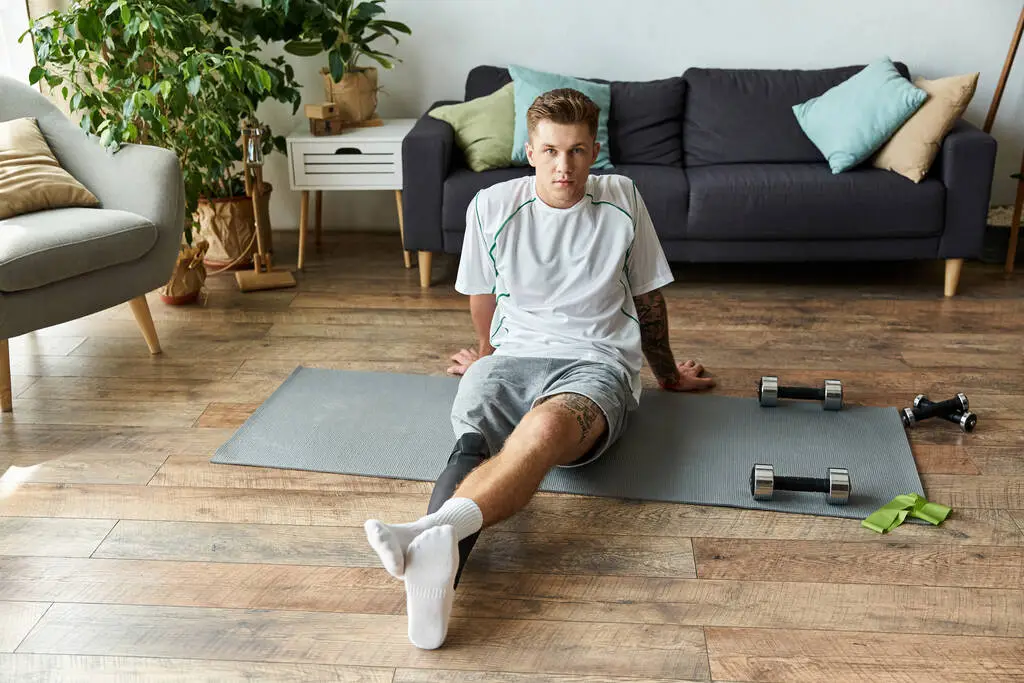
The connection between lifestyle and appearance is not a new idea, but it is consistently underemphasized relative to the emphasis placed on products and treatments. The most effective beauty routine in the world is built on a foundation of quality sleep, managed stress, nourishing food, regular movement, and adequate hydration. Products enhance and optimize — they cannot compensate for the absence of these foundations.
For those interested in contributing to conversations about lifestyle, wellness, and the habits that genuinely shape how we look and feel, ProThots offers a lifestyle guest post platform that welcomes evidence-based, original writing from contributors in the beauty and wellness space.