
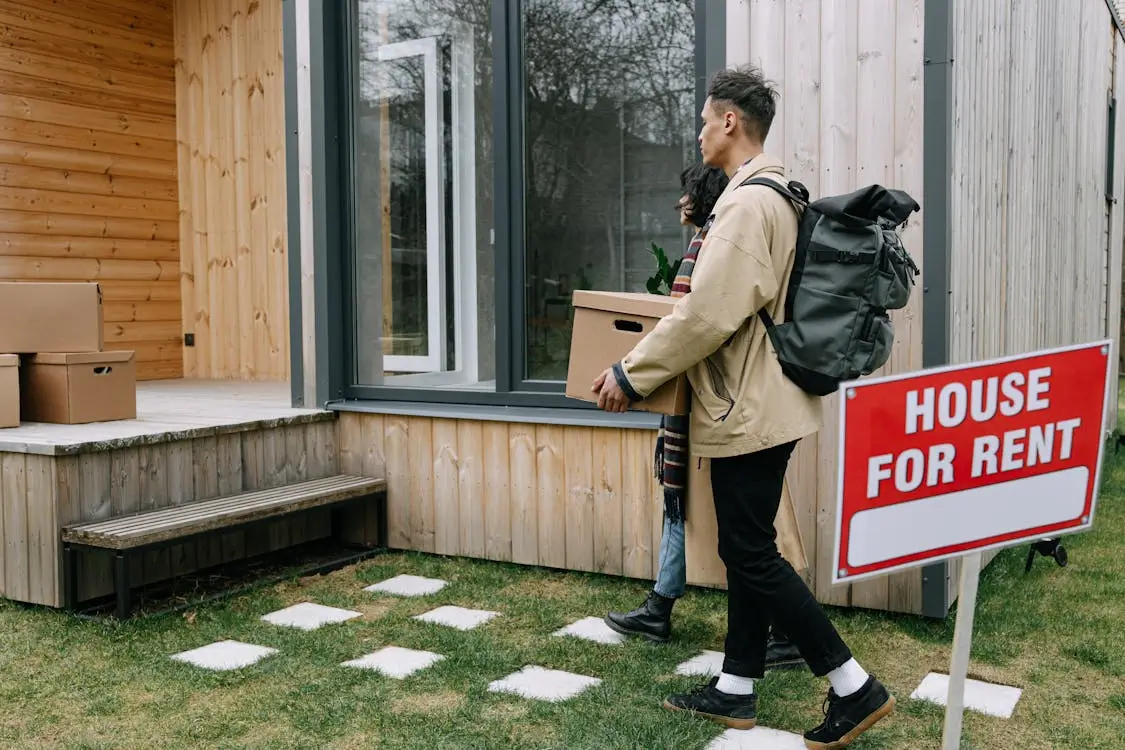
Many renters look for stability even when they do not plan to own a home. They want predictability, comfort, and a sense of control over daily life. They want to shape their environments, protect their finances, and plan for the future without feeling locked into decades-long commitments. Renting offers that kind of flexibility, and modern renters now treat stability as a set of practical strategies rather than a by-product of ownership.
Stability grows from consistent habits, smart financial decisions, and intentional living choices. Renters form strong routines, build supportive networks, and make impactful upgrades that improve quality of life. They do not wait for distant milestones to feel grounded. They act where they stand and shape spaces that reflect their goals.
1. Redefining Stability in a Modern Renting World
Many renters treat stability as a personal framework rather than a property concern. They evaluate how each home supports their lifestyles, daily needs, and long-term plans. They value locations that shorten commutes, access to reliable services, and communities that match their preferences.
This approach lets them move with purpose instead of fear. They select homes for the advantages they offer in the present, not for a theoretical future return. They create stability by choosing environments that reduce stress, improve productivity, and support healthier living. Renting becomes a tool for clarity, mobility, and deliberate decision-making.
2. Building Security Through Practical Planning
Financial clarity plays a major role in a renter’s sense of stability. Predictable monthly costs allow them to manage budgets with confidence and pursue goals without uncertainty. Many renters set aside emergency savings, track recurring expenses, and protect themselves with key safeguards that reduce risk. One of those safeguards includes the choice to purchase renters insurance, which adds a layer of protection that strengthens peace of mind.
These plans help renters understand their financial limits and build structure into their daily lives. They make adjustments quickly when circumstances shift, and they stay in control of their priorities. Practical planning turns a rented space into a dependable foundation for growth.
3. Creating Comfort Through Personalization
Renters create stability by shaping their spaces in meaningful ways. They choose furniture that suits their routines, lighting that supports better moods, and layouts that make daily tasks easier. These choices help them form emotional connections to their homes, even without long-term ownership.
They also use décor to reflect their values and identity. Thoughtful touches like artwork, warm textures, and organized storage create a sense of belonging. They do not need structural changes to feel grounded. A well-arranged room and a familiar environment often provide the comfort many people associate with ownership.
4. Strengthening Community Connections
Community engagement gives renters a powerful form of stability that does not rely on permanence. They form relationships with neighbors, local business owners, and community groups. These connections create support systems that make life smoother and more enjoyable.
A renter who knows their surroundings feels more secure. They participate in local events, join interest-based groups, and build friendships that expand their social networks. Community helps renters feel rooted, even when leases change. Stability grows from trust, familiarity, and positive interactions.
5. Relying on Mobility as an Advantage
Mobility often feels like uncertainty, but renters treat it as an advantage when they shape it intentionally. They choose when to stay and when to seek new opportunities. They adapt quickly to career shifts, lifestyle changes, and personal goals.
This freedom allows renters to refine their paths without major financial pressure. They explore different neighborhoods, cities, or living arrangements until they find the right match. Mobility becomes a strategic tool that supports clarity and long-term progress.
6. Using Smart Upgrades to Improve Daily Living
Renters must invest in small, meaningful upgrades that improve everyday comfort. They add efficient lighting, choose ergonomic furniture, and introduce practical tools that simplify routines. These upgrades help them shape environments that match their habits and goals. They also strengthen consistency, which plays a major role in long-term stability.
Smart upgrades create spaces that feel intentional rather than temporary. A renter who equips their home with supportive features gains confidence in their setup. They start each day with structure, clarity, and fewer frustrations. This consistency supports emotional balance and encourages better decision-making.
7. Developing Strong Financial Habits
Renters create stability through disciplined financial habits that keep life predictable. They track monthly spending, plan for unexpected costs, and set clear savings targets. These habits reduce stress and allow them to pursue opportunities without fear. A structured approach to money gives them more freedom, not less.
Many renters outline short-term and long-term goals to guide their financial choices. They commit to responsible spending, avoid unnecessary debt, and build buffers that protect them from surprises. Their focus on financial health helps them feel grounded in any living situation.
8. Maintaining Open Communication With Landlords
Renters should make it a priority to communicate clearly with their landlords. They address maintenance concerns early, confirm expectations before signing agreements, and keep consistent, respectful dialogue throughout their lease. This approach strengthens trust and ensures smoother problem-solving.
Clear communication also gives renters more control over their experiences. They understand their responsibilities, anticipate timeline requirements, and avoid misunderstandings. When both sides stay informed, the rental relationship feels predictable and fair, which enhances overall stability.
9. Leveraging Technology for Structure and Convenience
Technology helps renters organize their lives and manage responsibilities with ease. They use scheduling apps to track bills, digital tools to monitor expenses, and smart-home devices to streamline daily tasks. These tools reduce mental load and create reliable systems that support stability.
Many renters also rely on technology to stay informed about their communities. They use local networks, neighborhood apps, and online groups to stay connected and aware of important updates. Digital systems create structure without adding complexity, which helps renters stay focused on their goals.
Renters build stability by focusing on the parts of life they can shape directly. They use smart planning, intentional design choices, strong communication, and structured financial habits to create steady environments. They rely on community connections, mobility, and personal growth strategies to support long-lasting confidence. These actions show that stability does not come from owning a property but from the choices people make each day. When renters take control of their routines, goals, and surroundings, they create dependable foundations that support every stage of their lives.